
Menu
Top Tree Picks for Kenmore | A Local’s Planting Guide
Tree Planting Kenmore
Strategic tree planting transforms Kenmore properties while supporting the city’s environmental stewardship goals that prioritize sustainable urban forest development. From waterfront homes near Lake Washington to hillside properties overlooking the Sammamish River, choosing appropriate species ensures long-term success while enhancing the natural beauty that defines our Pacific Northwest community.
Understanding Kenmore’s Unique Climate
Pacific Northwest conditions present a set of unique challenges and opportunities for achieving tree planting success. Summer temperatures are generally mild in Kenmore, whereas winter conditions can be cool and long, requiring the use of species that thrive under these conditions.
Seasonal Weather Patterns
In order to survive the wet winters and dry summers of the Pacific Northwest, trees need to have the ability to handle extreme amounts of moisture. Neighborhoods ranging from Log Boom Park to Saint Edward State Park receive consistent amounts of rain from October until April, after which the summer conditions typically cause drought stress in poorly-adapted species.
Soil And Drainage Characteristics
Kenmore’s varied topography creates a wide range of soil conditions across the different neighborhoods. Neighborhoods located near Wallace Swamp Creek will have varying degrees of drainage issues compared to the elevated properties located near Bastyr University; therefore, choosing the correct species for each location is essential for matching specific site conditions.
Native Pacific Northwest Champions
Native tree species should serve as the basis for successful tree planting in Kenmore because of their demonstrated adaptability to local conditions, support for the local wildlife and ecosystem health, and proven track record.
Western Red Cedar: The Evergreen Giant
Western red cedar can thrive in Kenmore’s wet climate, while also being an evergreen that adds year-round visual interest and natural screening to a property. These massive evergreens can grow to very large sizes, making them perfect for properties with the appropriate amount of space along the Burke-Gilman Trail or larger residential lots throughout the community.
Western red cedar trees are naturally resistant to many of the local pests and diseases that affect other trees, while requiring minimal maintenance once they are established. Western red cedar wood is also aromatic, while the foliage of western red cedar is visually appealing, making it an excellent choice for boundary property plants and for creating privacy screens.
Douglas Fir: The Regional Favorite
One of the most iconic Pacific Northwest trees, Douglas fir, can adapt to a wide range of soil types, while also serving as a source of structure and habitat for wildlife. While they do not grow as rapidly as some other trees, they are a popular choice for planting in Kenmore neighborhoods due to their ability to grow well in areas with good drainage and adequate sunlight.
While Douglas fir trees can grow to be quite large, it is essential to plan for sufficient space between them and nearby structures and utility lines to avoid any future conflict. Neighborhoods near Moorlands Park are able to take advantage of the natural windbreak qualities of Douglas fir, as well as the seasonal interest they produce.
Western Hemlock: Washington’s State Tree
Western hemlock can grow well in a variety of light conditions, making it a versatile option for planting in many different locations throughout Kenmore neighborhoods. As an evergreen, western hemlock produces natural screening while also providing habitat for local wildlife populations.
Due to its status as Washington’s official state tree, western hemlock links each property to a sense of regional identity, while also providing a number of practical benefits, such as preventing erosion and providing visual interest throughout the changing seasons.
Outstanding Deciduous Selections
Deciduous trees add seasonal interest and diversity to Kenmore landscapes while providing shade during the summer months and allowing for sunlight penetration during the winter months, resulting in a balanced design for a property.
Bigleaf Maple: Native Beauty
Bigleaf maple produces beautiful fall colors and can adapt well to the conditions found in the Pacific Northwest. Bigleaf maple trees are fast-growing, producing excellent shade during the warmer months of the year, while also allowing for sunlight penetration during the colder months.
Bigleaf maple trees have shallow roots that must be carefully placed away from sidewalks and foundations to prevent damage; however, they provide property owners with beautiful seasonal displays around Rhododendron Park and throughout Kenmore neighborhoods.
Oregon White Oak: Slow-Growing Majesty
Oregon white oak represents the native oak species of the Pacific Northwest, and as such, it provides long-term value to a property through its extremely slow rate of growth. Oregon white oak trees are drought-tolerant, provide excellent wildlife habitat, and develop distinct characteristics over long periods of time.
While Oregon white oak trees may be a poor choice for properties with limited space and no patience for long-term growth, properties with enough space and patience for long-term development can benefit greatly from the majesty of these trees, which can live for centuries, while providing increasing value and beauty.
Red Alder: Fast-Growing Pioneer
Red alder provides a rapid start-up and rapid growth for immediate results, while also helping to improve soil quality through nitrogen fixation. Due to their ability to quickly establish themselves and provide early shade while slower-growing species are maturing, red alder trees are an excellent choice for challenging sites.
While red alder trees have a relatively short lifespan, they are an excellent choice for temporary screen trees or nurse trees that will protect more valuable long-term plantings during establishment periods.
Ornamental Species For Special Applications
Careful selection of ornamental trees allows for the addition of unique character and seasonal interest to a Kenmore landscape while still allowing for adaptation to local conditions.
Japanese Maple Varieties
Certain varieties of Japanese maple are able to adapt well to the conditions found in the Pacific Northwest, while also providing outstanding ornamental value through their unique foliage and shape. These smaller trees work well in courtyards and highlighted landscape areas.
When selecting Japanese maple varieties for Kenmore, it is essential to choose varieties that are specifically developed for local conditions, rather than those that are more commonly grown in other parts of the country, as this will increase the likelihood of success.
Flowering Trees For Seasonal Interest
Native flowering trees, such as western crabapple and Pacific dogwood, can produce spectacular spring displays while also supporting pollinators and wildlife throughout the growing season.
These smaller trees are easy to integrate into existing landscapes, while also providing focal points and seasonal variation to enhance the aesthetic appeal and ecological value of a property.
Strategic Planting Considerations
Planning for successful tree planting involves strategic consideration of the site selection process, spacing, and long-term growth potential of the selected trees in relation to the current and future needs of the landscape.
Utility Line Awareness
Kenmore has both above-ground and below-ground utilities that require consideration during the selection of species and placement of trees. In order to prevent future conflicts, it is essential to leave ample clearance from both power lines and underground utilities for trees that are expected to grow to large sizes.
Consultation with a professional will allow you to determine if there are any potential conflicts, while also ensuring that all applicable utility company requirements and city regulations related to tree placement are met.
Property Line Planning
Trees planted along property lines require the selection of species that consider the ultimate size of the trees, as well as the potential impacts on the properties located on either side of the property line. By selecting the right species, you can avoid future disputes while maintaining a positive relationship with your neighbors.
By considering the growth rate and ultimate size of the trees, property owners can make educated decisions that provide the desired benefits while minimizing the potential negative impacts on adjacent properties.
Kenmore’s Regulatory Landscape
Tree planting in Kenmore takes place within municipal ordinances that encourage responsible species selection, while protecting environmental resources and community forest health.
Development Requirements
New development projects in Kenmore are required to meet minimum tree density requirements based on net buildable area, with calculations favoring the preservation of existing healthy trees whenever possible. Understanding these requirements will help property owners to create effective landscapes that meet the regulatory requirements.
Exceptional Tree Protections
Kenmore’s exceptional tree ordinance protects large, valuable trees while promoting new tree plantings that support long-term canopy objectives. Property owners will benefit from understanding these protections when developing plans for improving their landscaping.
Professional Planting Services
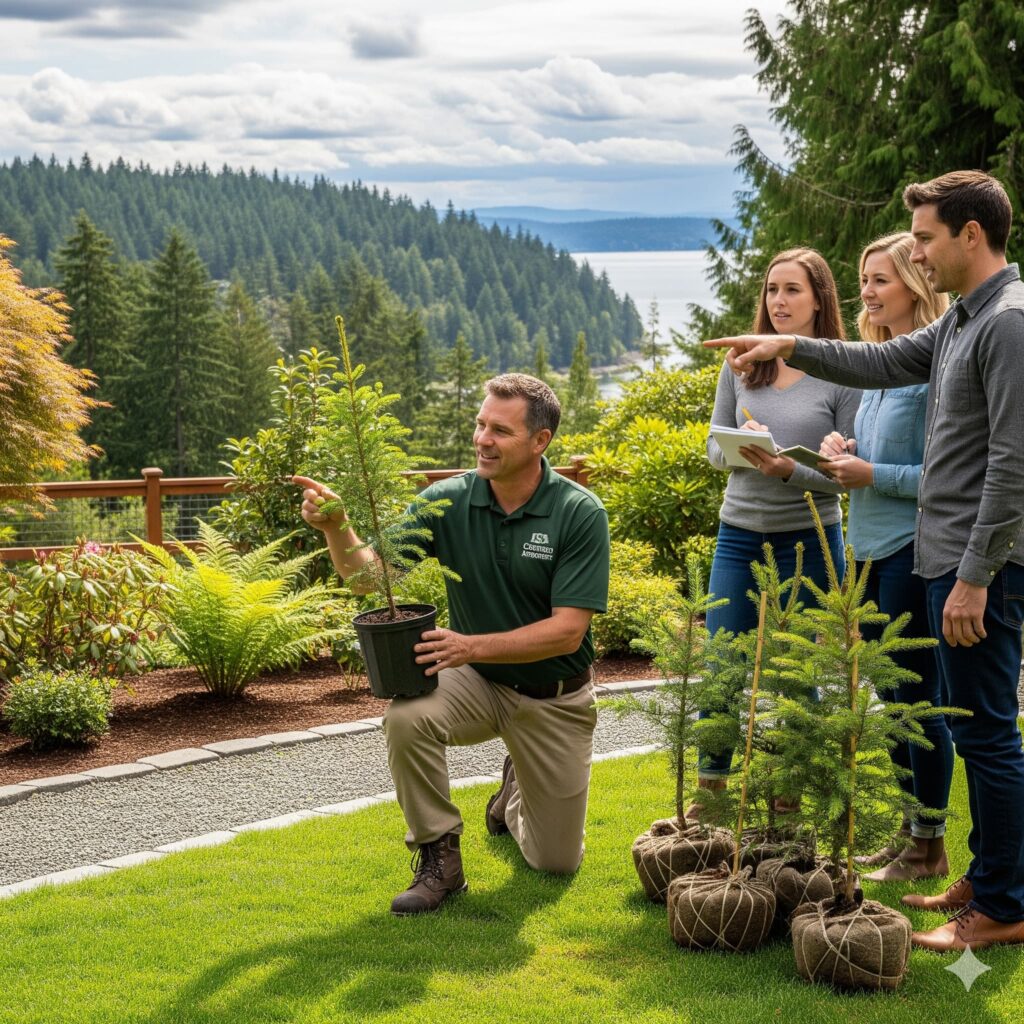
Many factors contribute to the success of tree planting, including the expertise provided by professionals who assist with selecting the right species for a particular location, preparing the site, and establishing the trees for optimal growth and survival.
Site Assessment And Selection
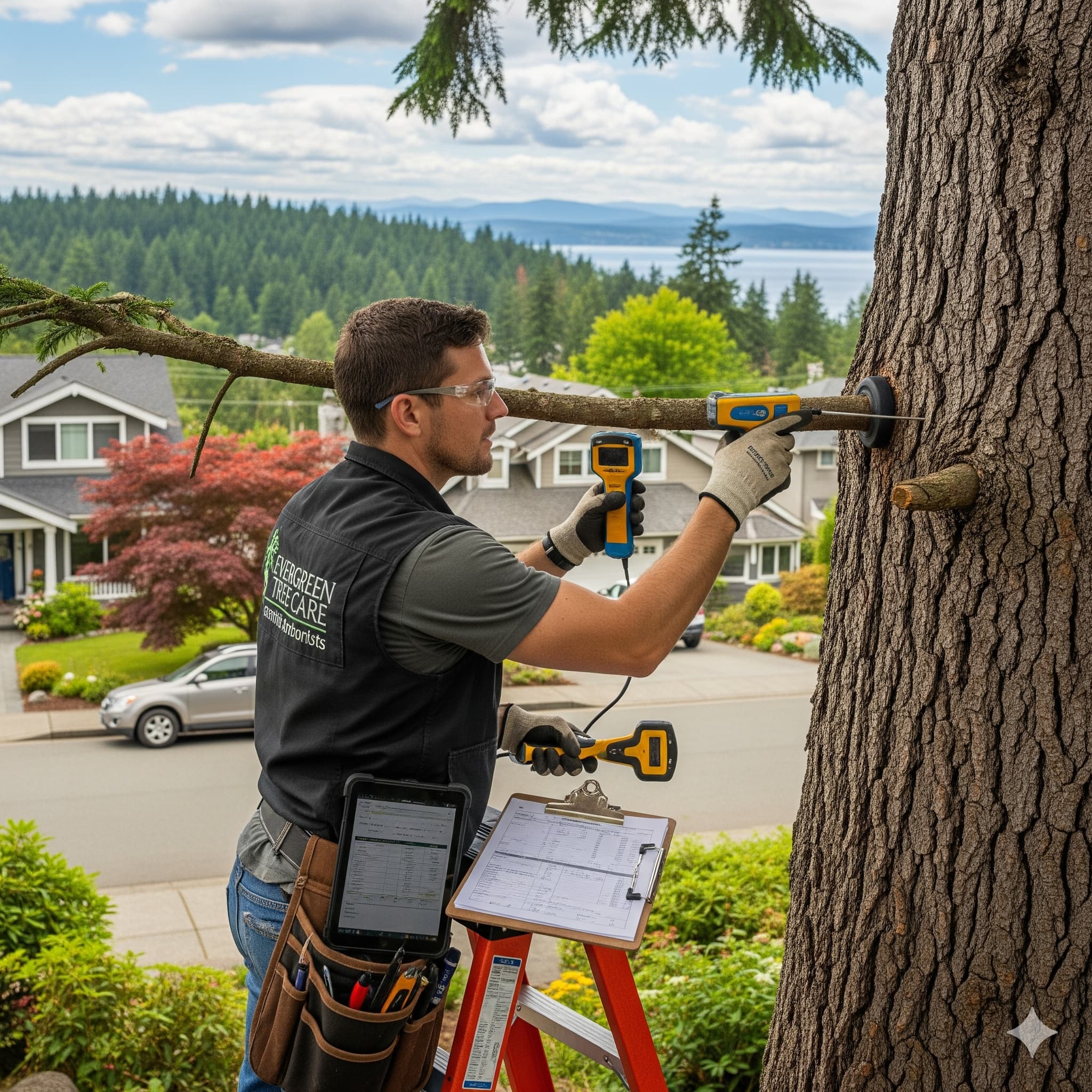
Arborists will assess the soil type, drainage pattern, sun exposure, and available space at a site to recommend suitable species for the location. This expertise will help to prevent expensive errors while maximizing the chances for successful planting.
Proper Installation Techniques
Installation techniques used when planting a tree, including correct planting depth, soil preparation, and initial care, play a significant role in determining the long-term survival and growth rate of the tree. Professionals who install trees correctly will help to ensure that the trees will establish successfully and avoid many common errors that result in failed trees.
Long-Term Care Planning
Once trees are successfully planted, long-term care will be necessary to ensure that they continue to grow and provide the intended benefits over time.
Establishment Care
During the first few years after planting, newly-planted trees will require regular watering, mulching, and protection from the elements while the root system develops. An understanding of the needs of newly-planted trees during this time will help to reduce the risk of stress and mortality during critical establishment periods.
Maintenance Scheduling
Regular pruning, health monitoring, and pest management will help to maintain the long-term health of the trees, while also protecting investments in property and community forest resources.
Making Informed Decisions
Tree Service Experts Kenmore provides comprehensive consulting services to help property owners select suitable species, while also ensuring compliance with local regulations and best practices for the conditions found in the Pacific Northwest.
Successful tree planting will not only enhance the value of a property, but also contribute to the community character and environmental stewardship objectives of Kenmore. Working with local experts who are familiar with Kenmore’s unique conditions and requirements will help to ensure that the selections made will provide lasting beauty, ecological benefits, and practical value for generations to come.
Regardless of whether a property owner is looking to plant a single specimen tree or implement a comprehensive landscape project, working with local experts who are familiar with Kenmore’s unique conditions and requirements will help to ensure that the outcome is successful and enhances both the individual property and the overall community forest that makes the area so desirable.
LATEST POSTS