
Menu
Common Tree Trimming Mistakes to Avoid in Kenmore
Tree Trimming Kenmore
When Kenmore homeowners search for tree trimming near me, they often consider DIY projects to maintain their valuable landscape investments. However, improper trimming techniques can cause irreversible damage to trees throughout neighborhoods from Log Boom Park to Saint Edward State Park, potentially creating safety hazards and expensive correction needs for years to come.
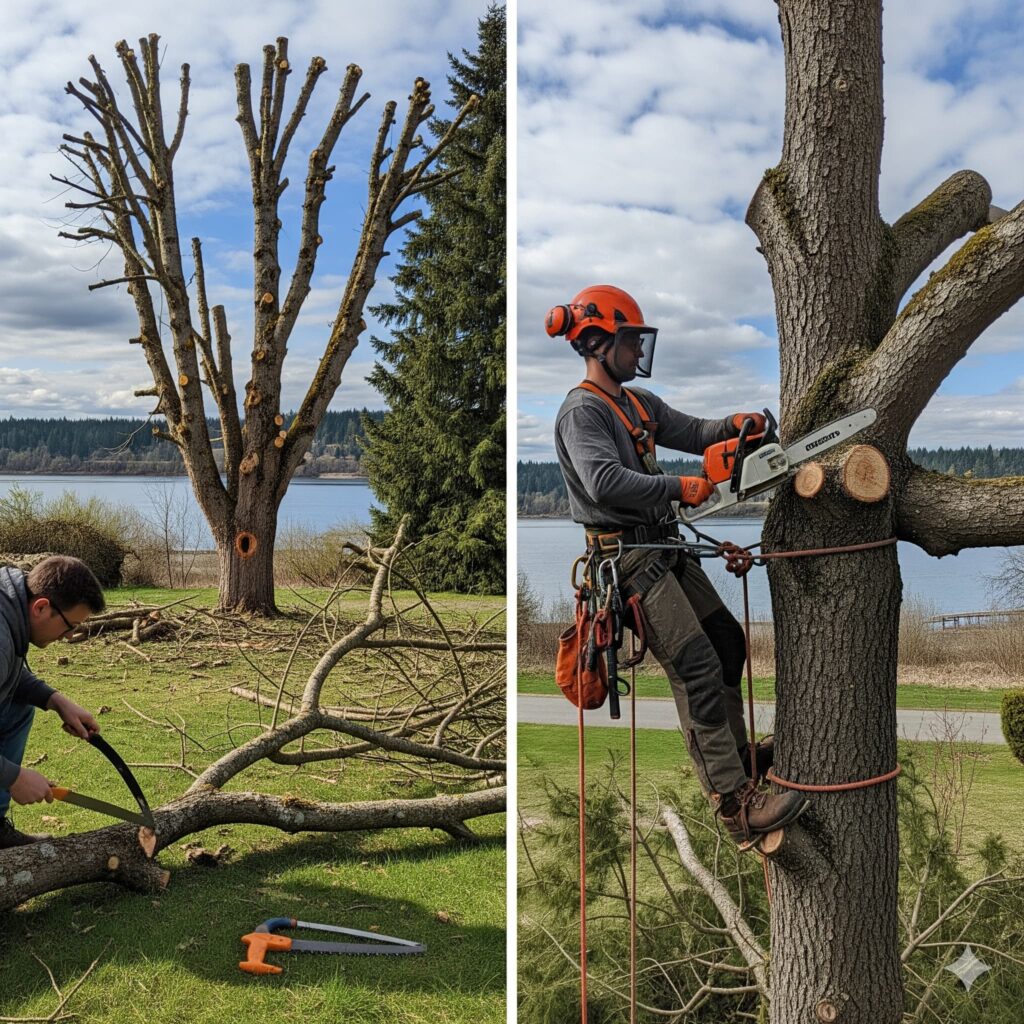
The High Cost of Amateur Tree Trimming
Careless tree trimming blunders can ruin a mature tree, costing you thousands of dollars in your home’s value. Knowing what those typical mistakes are will help residents of Kenmore determine whether it is best to pay for professional tree care services or try doing it themselves.
Why Technique Matters
Every time a tree is pruned, a new wound is created that puts stress on the tree. Certified arborists know that even if an experienced arborist made perfectly fine cuts, each one still creates entry points into the tree that need proper healing. When amateurs make mistakes, they put all the risk and the health of the tree and its structural integrity at stake.
Timing Errors
Most of the time, people do tree trimming at times that are convenient for them rather than when the tree needs it. Each type of tree has a certain window of opportunity for tree trimming depending on the species’ dormancy period, disease vulnerability, and growth pattern of the seasons.
Species-Specific Timetables
There are many types of trees that have to be trimmed differently depending on where you live in Kenmore. For example, trees near the Burke-Gilman Trail (or near other neighborhoods) have different trimming requirements. Dogwood spring-flowering trees should be trimmed right after blooming; almost all other species are best trimmed in the late winter when the trees are in a dormant state, and the risk of transmitting disease is minimized.
Weather & Seasonal Factors
Trimming trees in adverse weather conditions hinders the precision of cutting and raises the risk of injury. The conditions of the Pacific Northwest near Bastyr University and neighboring areas require the arborist to carefully evaluate the moisture level, wind conditions, and temperature conditions, as well as how quickly the tree will heal.
Damaging Techniques of Cutting
Improperly using cutting techniques represents the biggest mistake that amateur tree trimmers can make. They create problems that are going to last for years and usually cost money to fix.
Flush Cuts & Stub Cuts
Probably the most common error made in tree pruning is the flush cut, which is when a branch is cut close to the bark of the tree trunk or a larger branch. By cutting off the branch collar, you leave the tree open to infections and decay. Conversely, by leaving large stubs, you hinder the tree’s ability to heal, and you create a way for pests and diseases to enter the tree.
Properties near Moorlands Park frequently display the effects of amateur trimming mistakes in the decline of the tree’s health over the years.
Heading Cuts & Topping
A heading cut is done randomly, chopping branches, which stimulates weak and fast-growing shoots that create structural problems. Topping a tree, which is cutting the major trunk at arbitrary spots, severely stresses the tree and encourages dangerous and weak shoot-growth patterns throughout the entire canopy of the tree.
Over-Pruning: Exceeding the 25 Percent Rule
By cutting too much foliage at once, you prevent a tree from being able to produce enough food through photosynthesis. It is recommended that no more than 25 percent of a tree’s canopy be removed in any one year.
Recognizing the Effects of Over-Pruning
Trees that have been over-pruned often react by growing weak sucker sprouts along their trunks and branches. These reaction sprouts indicate that the tree is under stress and that it will require continued maintenance, while weakening the tree’s structure.
Mistakes in Lion Tailing
Lion tailing is the removal of the inner branches, allowing the growth to be only at the end of the branches. This redistribution of weight to the tip of the branches weakens the tree and creates a greater likelihood of damage from wind, especially in Kenmore’s varied terrain.
Equipment Failure
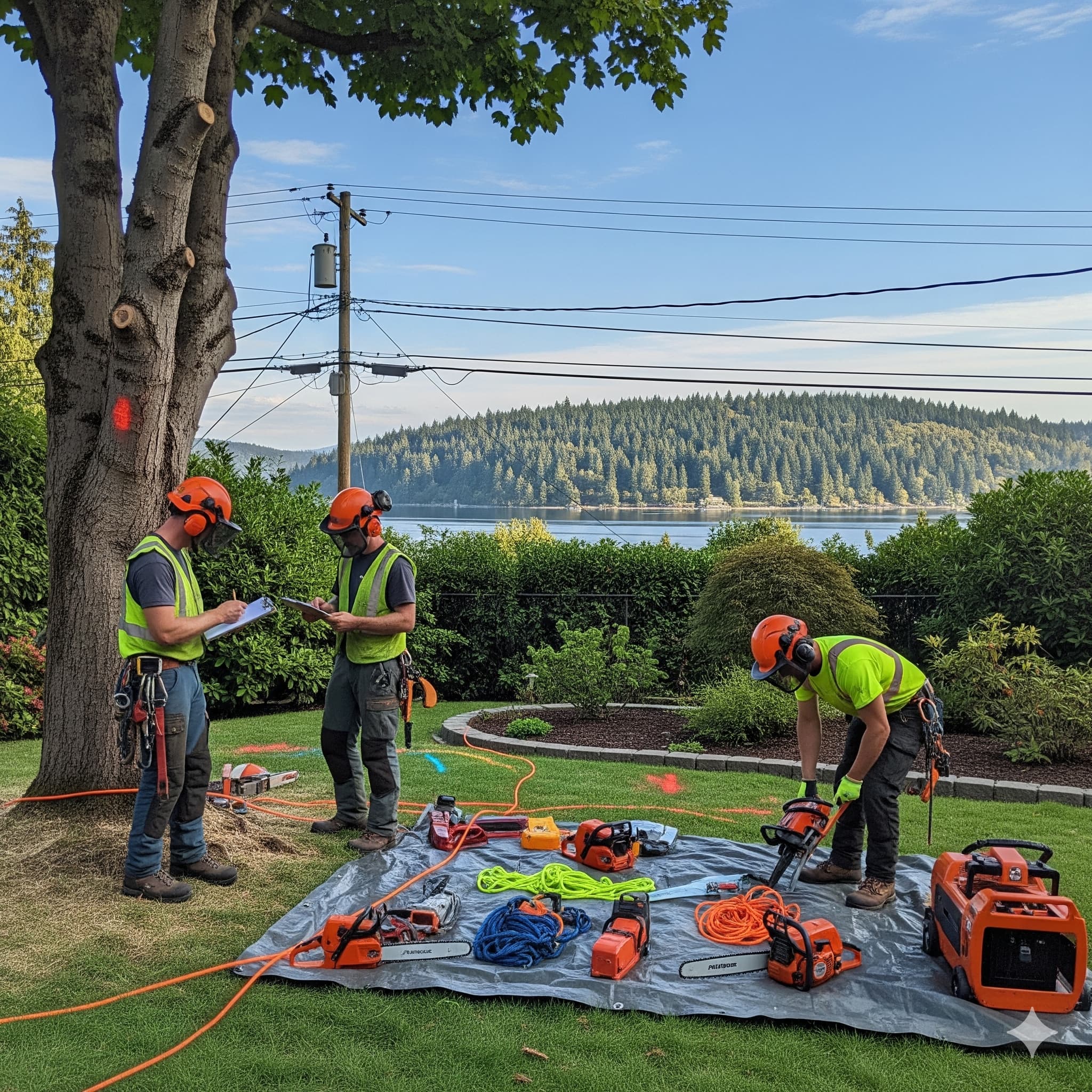
Using the incorrect, dull, or damaged equipment will result in rough cuts that will heal poorly and increase the tree’s susceptibility to disease. To get good tree-trimming results, quality equipment that is kept sharp is necessary.
Requirements for Sharp Tools
Tools that are dull, tear bark, and cause bigger wounds that severely harm trees. Professional-grade tools such as pruning shears, loppers, pruning saws, and chainsaws, etc., should be used with branch size and should be kept extremely sharp.
Neglect of Safety Equipment
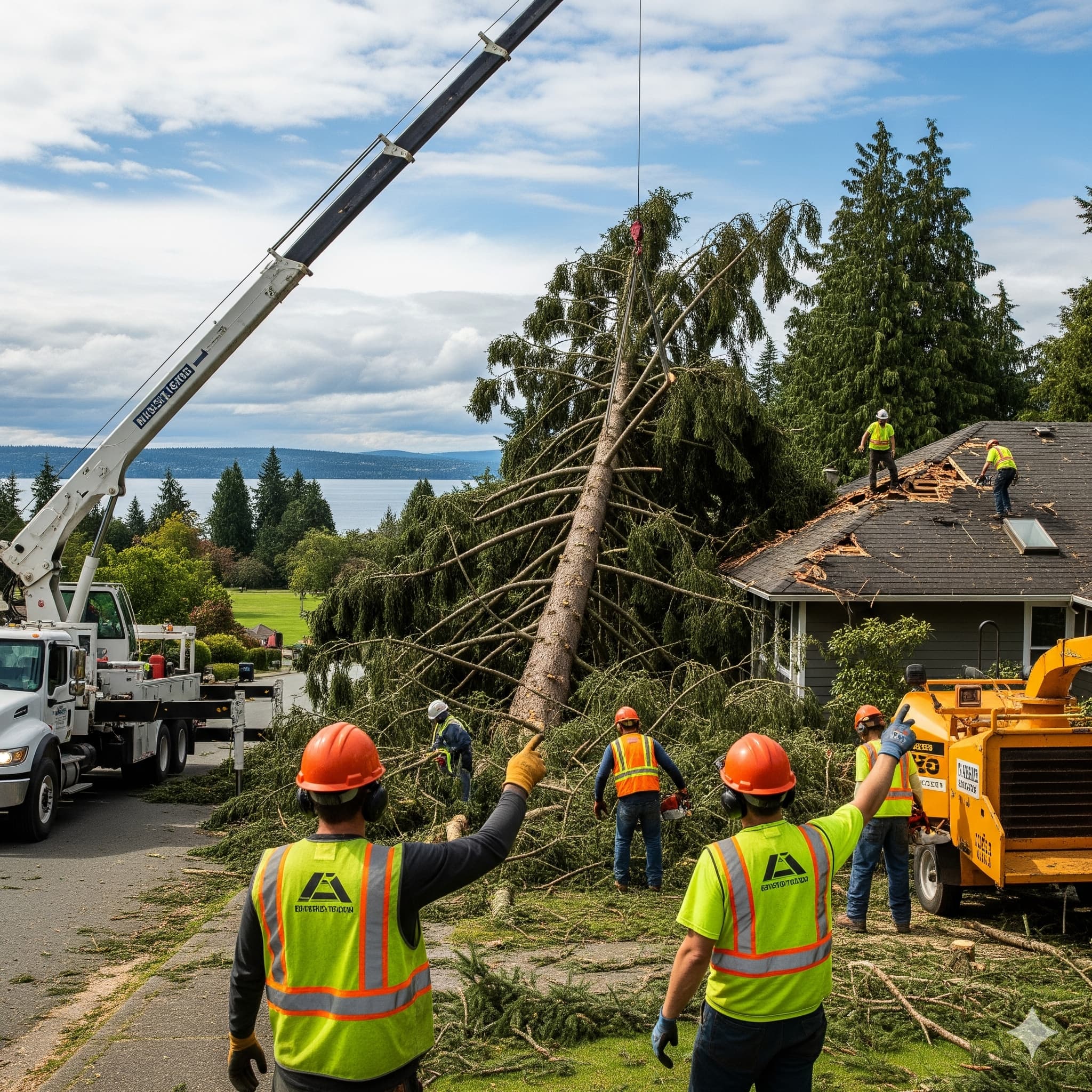
Tree trimming inherently carries some degree of danger, particularly when trimming near power lines or on larger trees. Properties located near Wallace Swamp Creek and other locations with utilities require additional safety measures and professional experience.
Selecting the Wrong Branches
Unskilled trimmers typically remove the wrong branches, affecting the architectural design of the tree while allowing growth that was a problem to continue. If you understand tree design and growth habits, you will avoid making costly mistakes that impact long-term tree health.
Importance of Structural Branches
Removing structural branches that serve as the tree’s framework will create instability that might not appear for several years. Many trees near Rhododendron Park demonstrate poor branch selection in their uneven growth patterns and increased failure risks.
Neglecting Diseases & Pests
Contaminated tool transmission of diseases between trees and creating wounds in trees during susceptible times when insects and pathogens are active are two ways amateur trimming can spread diseases among trees.
Sanitization of Tools
Certified arborists sanitize their tools between trees and recognize when the risk of disease transmission is at its peak. Serious tree diseases found in the Pacific Northwest, such as oak wilt, necessitate special precautions that amateur trimmers commonly neglect.
Problems Due to Cleanup & Debris
If trimming debris is not cleaned up properly, it serves as a habitat for pests and leaves evidence of shoddy craftsmanship. A thorough cleanup is included with professional service to preserve property aesthetics and deter pests from the area.
Disposal/Chipping of Debris
Cut branches and wood debris left on properties attract insects and present a fire hazard. Chipping or disposing of the debris properly maintains the aesthetic of landscaping while promoting environmental health goals consistent with the sustainability objectives of Kenmore.
Know When to Hire Professionals
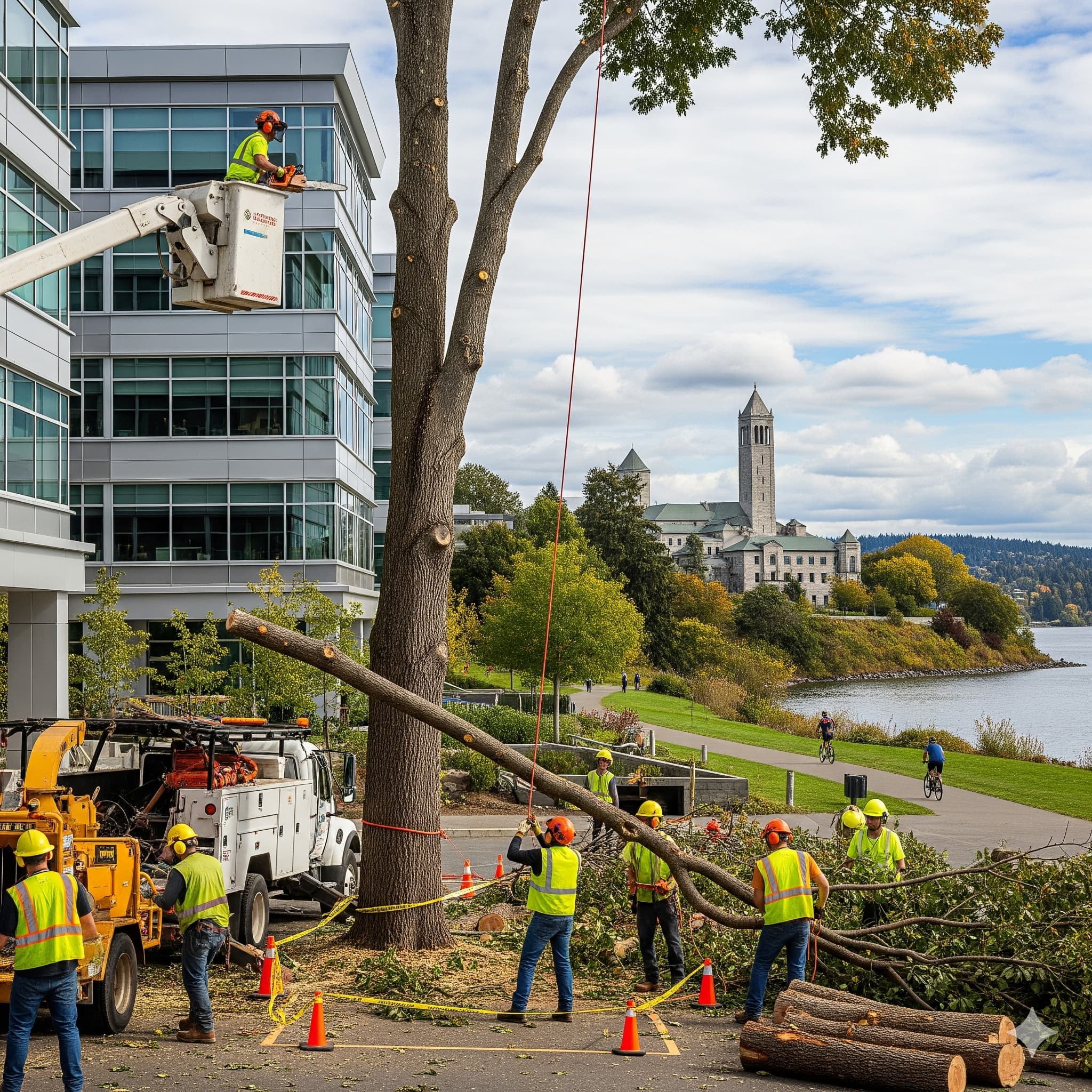
Understanding the complexities and risks associated with proper tree trimming allows homeowners to realize when professional services will provide greater value than attempted DIY projects. Valuable specimens, complex circumstances, and large trees benefit from expert treatment.
Value of Professional Assessment
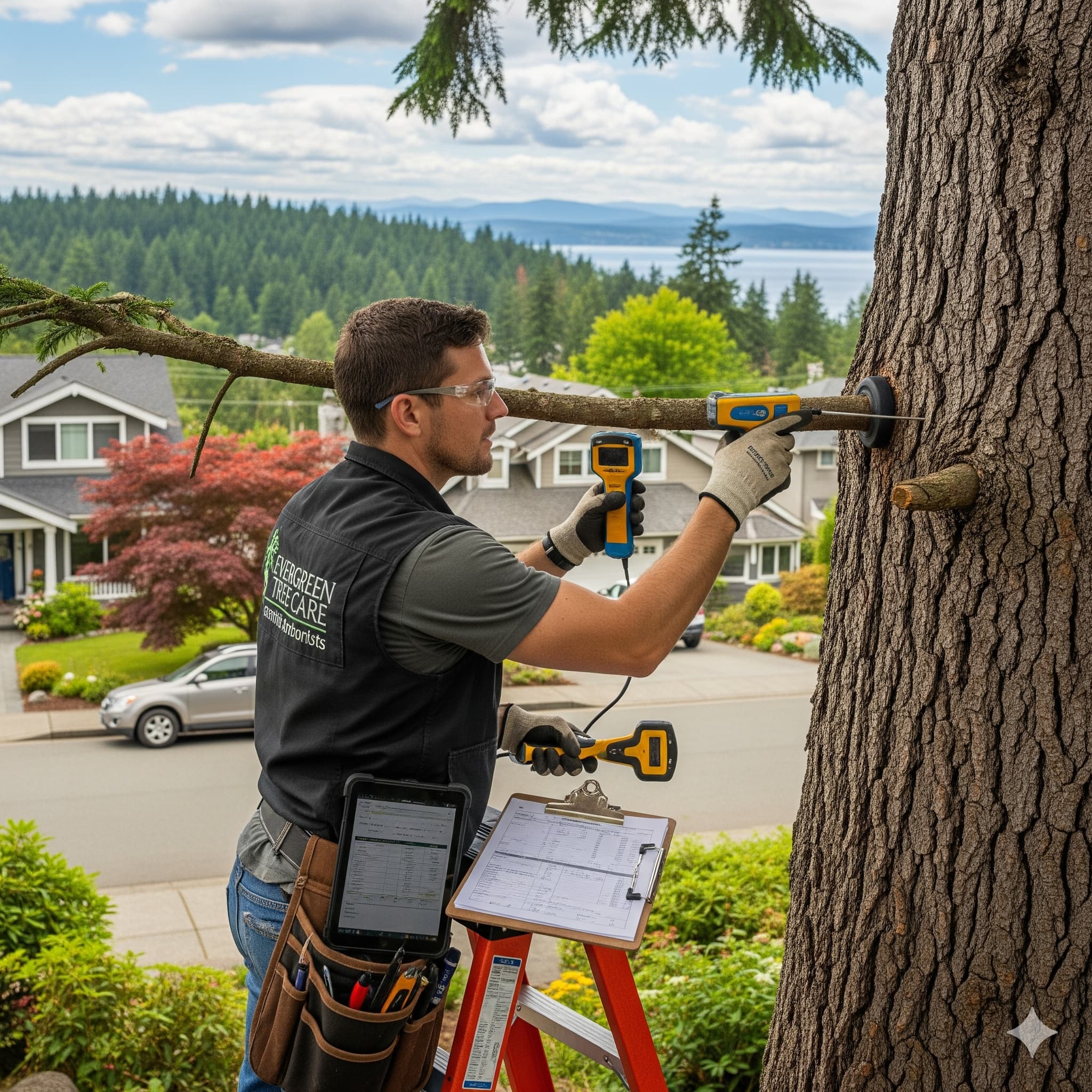
Instead of merely typing tree trimming near me, Kenmore residents can benefit from working with certified arborists who know the local requirements of tree species, permits needed, and environmental considerations. Tree Service Experts Kenmore provides a comprehensive assessment that determines potential problems prior to becoming costly emergencies.
Protection of Property Value
Trees represent a considerable amount of your property value and thus need professional care to keep them healthy. Recognizing the common trimming mistakes listed above gives homeowners a sense of appreciation for the expertise required to successfully care for their trees and avoid costly mistakes that could take decades to repair.
Expert tree trimming assures proper technique, correct timing, and overall care of the tree to ensure the health of the tree and the enhancement of property value in Kenmore’s various neighborhoods and its scenic natural environments.
LATEST POSTS