Menu
Stay Ahead of Rain: Tree Disease Treatment in Kenmore
Tree Disease Treatment Kenmore
Western Washington’s extended wet season creates ideal conditions for fungal diseases that devastate unprepared trees throughout Kenmore neighborhoods. Proactive tree disease treatment before autumn rains arrive protects valuable landscape investments while preventing costly emergency removals near Bastyr University and surrounding residential areas.
Protecting Your Kenmore Property From Wet Season Diseases
The mild and wet weather conditions present in the Pacific Northwest create a perfect environment for tree diseases. Properties along the Lake Washington shoreline and properties within the area of Wallace Swamp Creek are particularly vulnerable to disease because they experience high levels of moisture during the fall and winter months.
Fungi That Can Be Destructive To Kenmore Trees
Diseases caused by fungi, such as anthracnose, root rot, and canker disease,s are common threats to trees in Kenmore’s wet environment. Stressed or weakened trees are particularly susceptible to attack. Species such as Doug-fir, Western Red Cedar, and deciduous species in the neighborhoods surrounding Saint Edward State Park are all at risk of being damaged by tree disease and, therefore, require special preventative treatment to maintain their health and structural integrity.
Critical Timing Of Disease Prevention
Proper tree disease prevention is best accomplished prior to the time that disease symptoms become apparent. For many tree species, this will occur in late summer as trees begin to enter dormancy. By implementing treatments before the onset of wet weather, homeowners can help strengthen the tree’s natural defenses against pathogens.
Application Time Frames For Pre-Season Treatments
To maximize protection, pre-season treatments should be applied 4-6 weeks before the first rains of the season. As a result, Tree Service Experts Kenmore schedules its preventative treatments during dry weather conditions when there are better opportunities for penetration and establishment of protective barriers.
Treatment Approaches For Modern Tree Disease Prevention
The most effective modern tree disease prevention programs utilize a combination of approaches to control fungal growth, including soil amendments, foliar applications, and systemic treatments. The various treatment approaches differ based on the point of entry of the pathogen and also work to build overall tree health and ability to resist disease.
Optimizing Soil Drainage And Nutrient Content
As an initial step toward preventing disease in trees, the focus is placed on improving the soil’s drainage and nutrient content. Based on soil-test results and drainage characteristics of the property, soil amendments may be recommended to improve soil health, enhance root growth, and optimize tree nutritional status. Soil health improvements are especially important for properties located near Moorlands Park.
Selecting Treatment Options For Vulnerable Trees
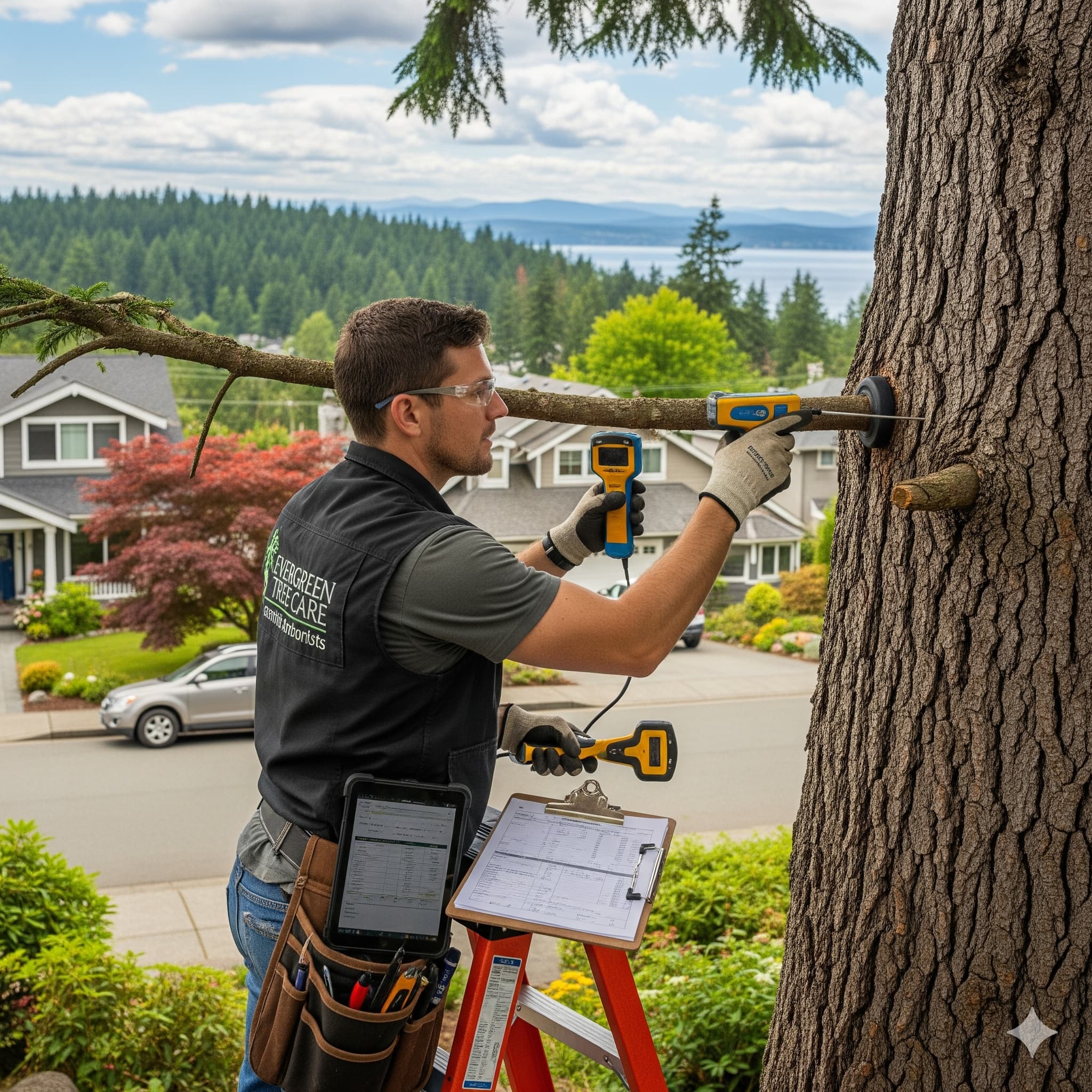
A professional certified arborist evaluates a variety of factors relative to each tree species, including the species’ natural resistance to disease, the age of the tree, the location of the tree, and the presence of any stressors (such as nearby hardscaping or competing vegetation) to determine the most effective treatment options. Trees located near hardscape or construction sites may require additional protection due to potential exposure to pathogens introduced by construction activities.
Species-Specific Disease Prevention Strategies
Coniferous trees native to the region have unique disease pressure profiles compared to non-native ornamental species. When developing a preventative disease treatment program, professionals take into account the inherent resistance of each tree species, as well as environmental conditions and previous treatment history, to select the most effective treatment strategy.
Advancements In Tree Disease Treatment Technology
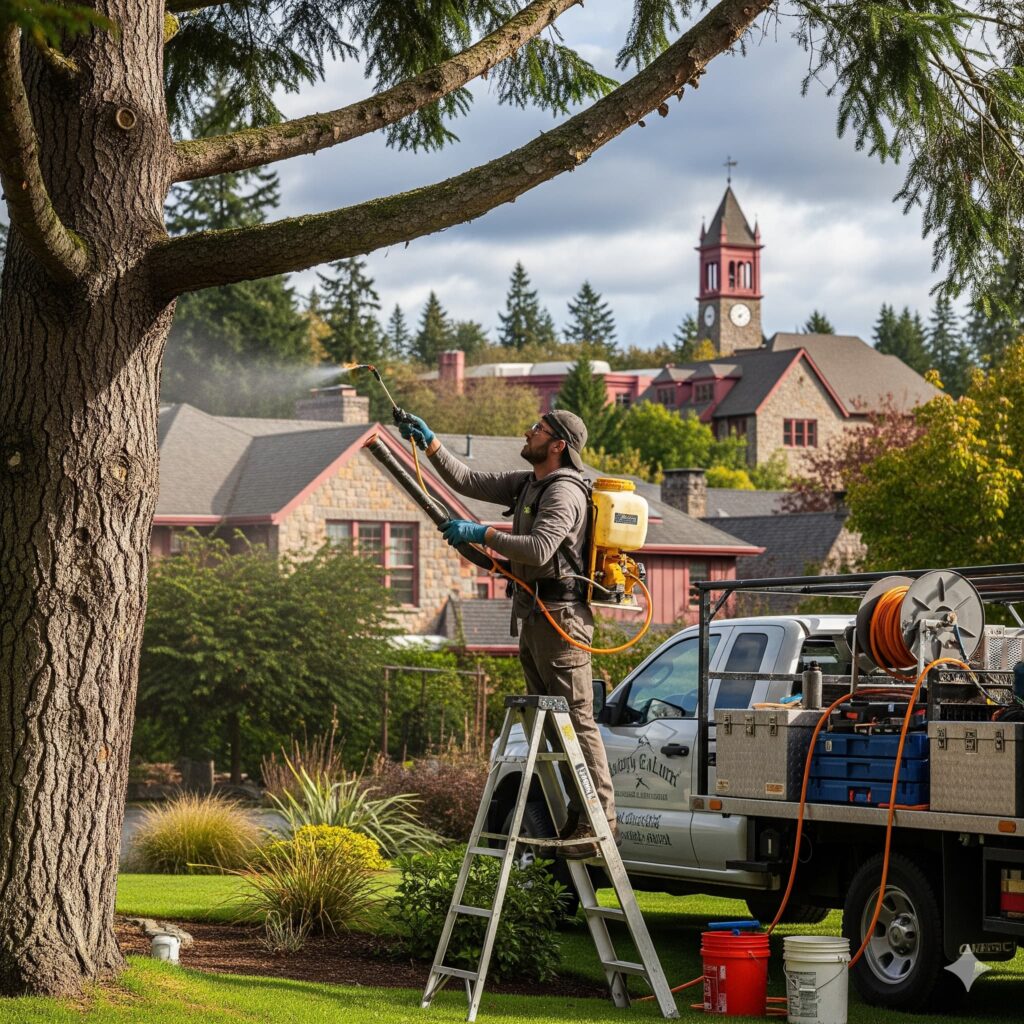
There are numerous advanced technologies available to the tree service industry for delivering disease-fighting chemicals to trees. Examples include trunk-injection systems, deep-root injectors, and precision-sprayer systems that allow treatments to reach the affected areas without causing unnecessary damage to the surrounding environment.
Establishment Of Systemic Defenses Against Pathogens
Chemical treatments that are delivered via trunk injection or deep-root feeding can establish protective compounds in the tree tissues for up to one year. This form of systemic protection provides excellent results for high-value trees located in the vicinity of the Burke-Gilman Trail and other notable locations.
Environmental Impact Of Chemical Applications
In accordance with the environmental stewardship values of Kenmore, chemical applications are carefully selected and timed to minimize adverse effects on beneficial organisms while controlling the spread of disease-causing pathogens. All treatment decisions are guided by integrated pest management principles.
Protection Of Beneficial Pollinators And Wildlife
When selecting a disease prevention treatment program, professional arborists consider the potential impacts of the treatments on beneficial insects, birds, and other wildlife that rely on the trees for survival. Selective treatment methods and environmentally friendly products are used to minimize ecological harm and maximize disease control.
Post-Treatment Monitoring & Maintenance Adjustments
A successful disease prevention program requires regular post-treatment monitoring and adjustments to treatment protocols. The monitoring process identifies new problems early on and confirms that the treatments are working as intended to protect trees throughout the lengthy wet-season months.
Documentation Of Treatment Programs
Professional companies document every aspect of their treatment programs, including the type and date of application, results, and how the trees respond to the treatment. Documentation of treatment programs helps file insurance claims, determines the value of the trees, and creates long-term plans for managing the trees.
Comparative Cost-Benefit Analysis
Preventing tree diseases is far less expensive than having to remove and replace diseased trees after they fail due to disease. Homeowners with properties located in the vicinity of Rhododendron Park reported significant financial savings through the implementation of proactive tree disease prevention programs designed to prevent costly tree failures.
Protecting Investment In Your Trees
Trees that are free from disease contribute to the market value of your home by tens of thousands of dollars. They add to the beauty of your surroundings, improve air quality, manage stormwater runoff, and reduce urban heat islands. A preventative disease treatment program protects your investment in your trees and minimizes the liability associated with failing trees.
Holistic Approach To Landscaping
The effectiveness of tree disease prevention programs is greatly improved when implemented as part of a comprehensive landscaping plan that incorporates pruning, watering, and fertilization. A holistic approach to managing your landscape improves the health of your trees and enhances overall ecosystem health.
Benefits To The Community At Large
Trees throughout Kenmore neighborhoods contribute to clean air, efficient stormwater management, and reduced urban heat islands. Healthy trees are a source of pride for our community and support our efforts to promote sustainable living and reduce our carbon footprint.
Choosing A Qualified Professional Service Provider
Your selection of a qualified arborist or tree service company is vital to ensuring proper diagnosis, treatment recommendation, and safe treatment application. Certified experts in tree disease treatment, like us at Tree Service Experts Kenmore, possess both the technical expertise and regional knowledge necessary to implement effective and environmentally responsible disease prevention programs that protect your investment in your trees.
Taking Proactive Action Now To Protect Your Trees Before Wet Season Arrives Is Smart Stewardship
Protecting your trees now, before the start of the wet season, demonstrates good stewardship by preserving your property value while supporting the sustainability of Kenmore’s urban forest for future generations.
LATEST POSTS